
The freedom
to be yourself
Philips - ePatch

Challenge
Traditional heart monitoring with a Holter monitor is effective but limits movement with wires and electrodes. Philips revolutionized this with a simple, wireless smart patch, allowing patients to monitor their hearts effortlessly while living their normal lives. To launch this game-changing innovation, they needed a strategy that resonated - and that’s where we came in.
Solution
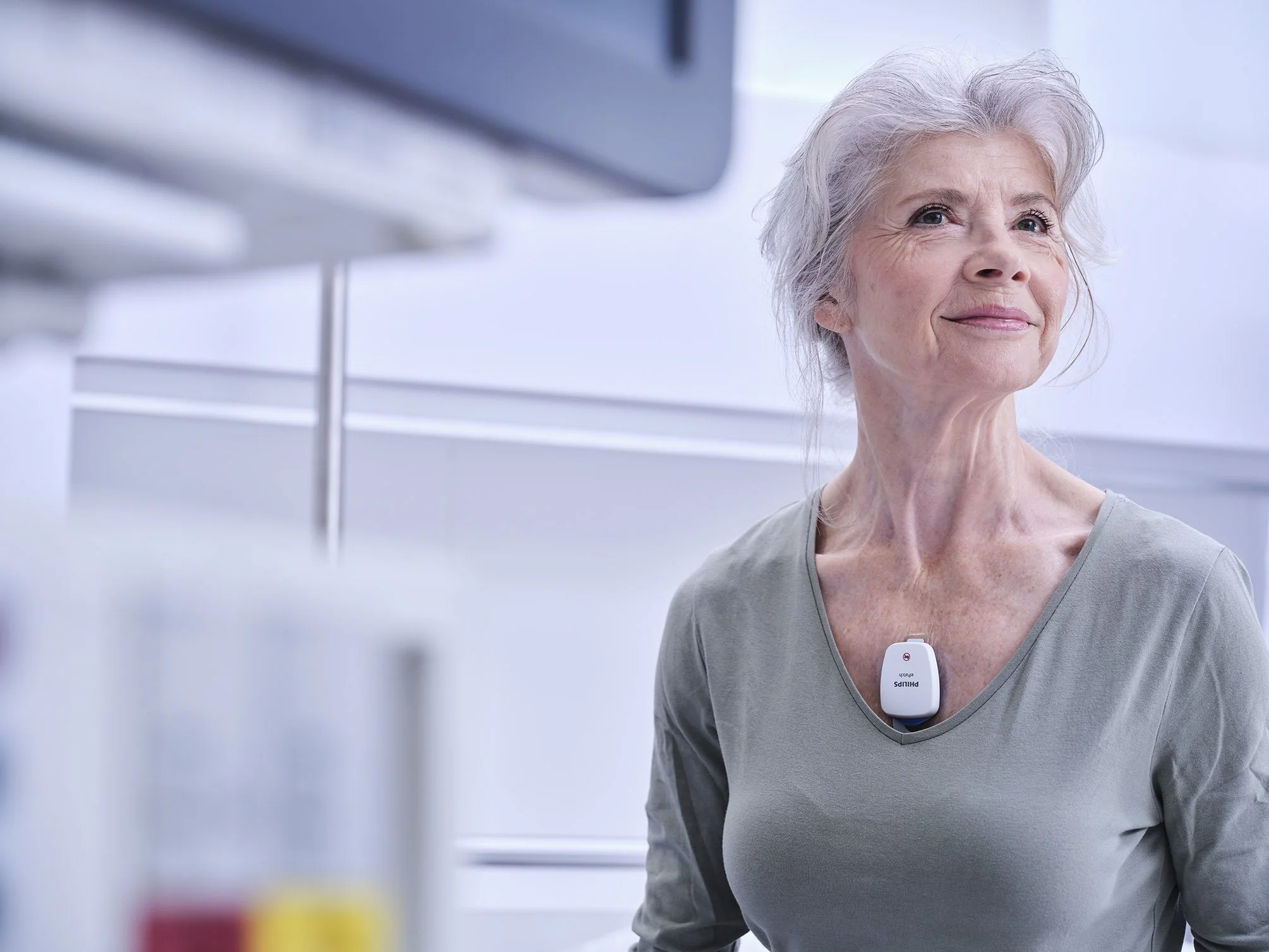
Creanza knows that people connect best with imagery that reflects their own lives - like the freedom to keep moving while seamlessly sending vital health data to their clinic. To showcase the ePatch’s true impact, we focused on capturing the ease, comfort, and lifestyle benefits it brings to everyday life.
Results
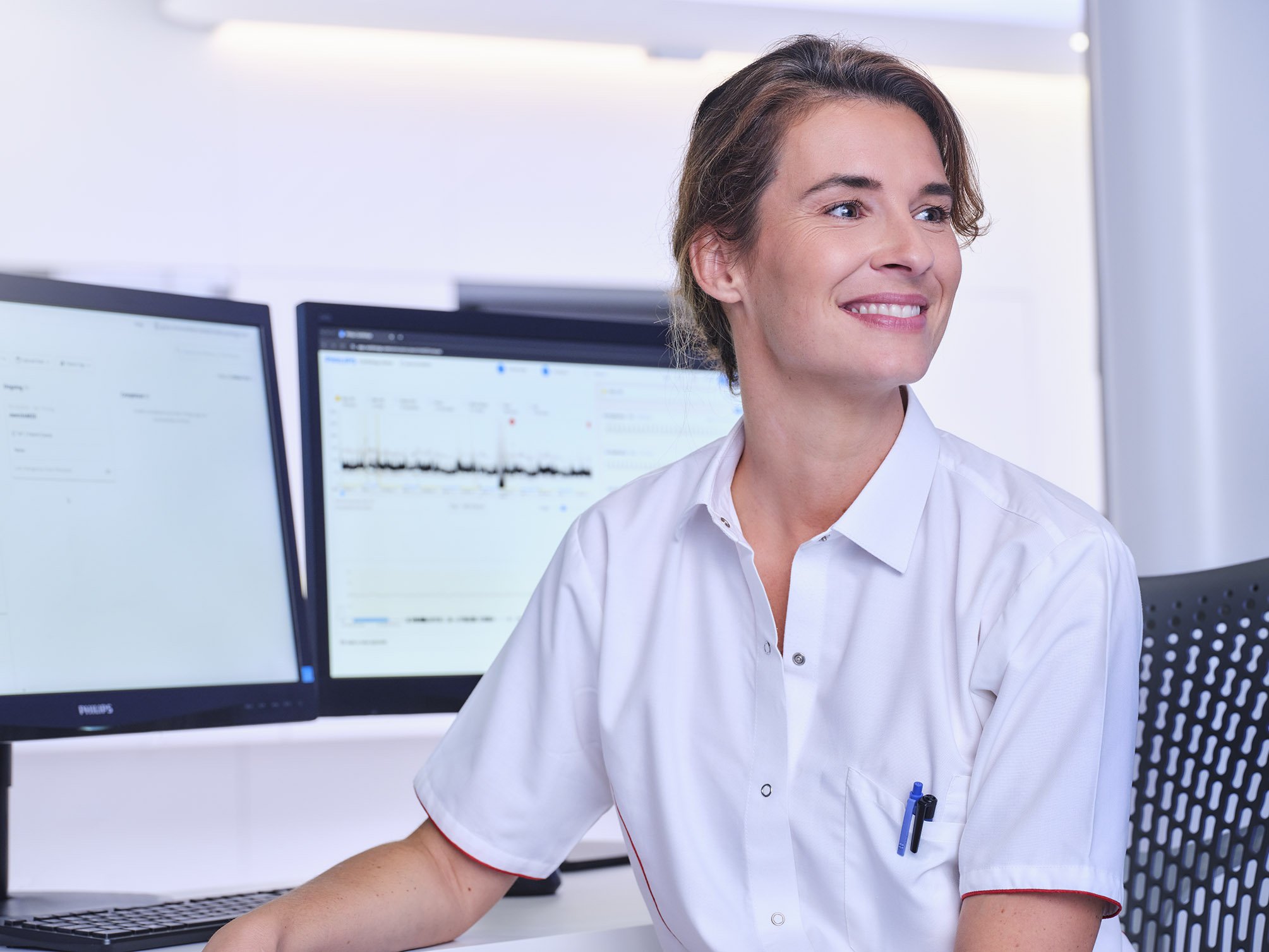
By understanding patients' needs, we could mirror real-life behavior and highlight the true human benefits of the ePatch. Through lifestyle photography, we captured the ease and freedom it offers, making it easy for both patients and clinicians to see its value in a natural, relatable way - all while working within the set guidelines from Philips.
Philips ePatch
The freedom to be yourself
Case study
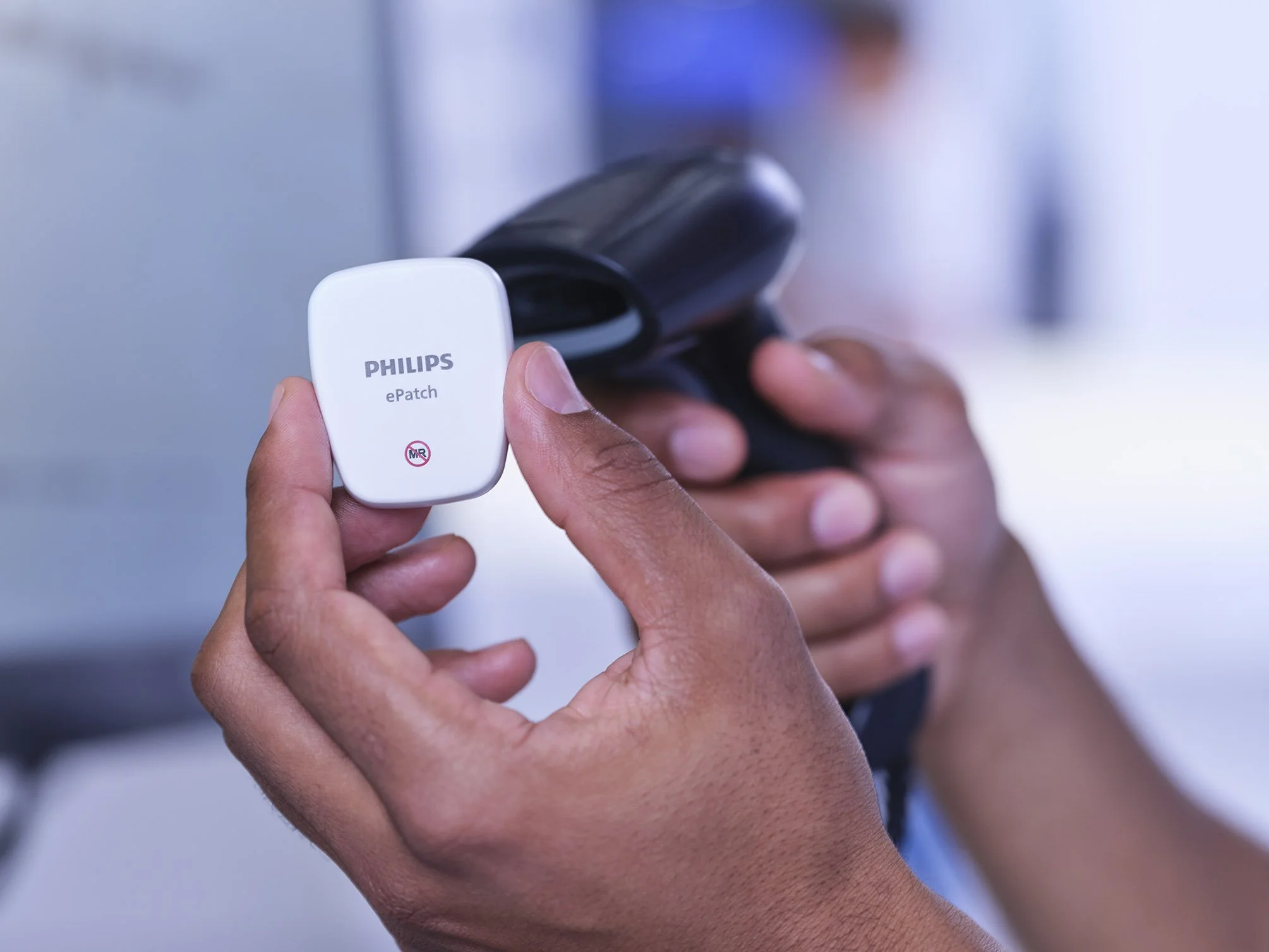
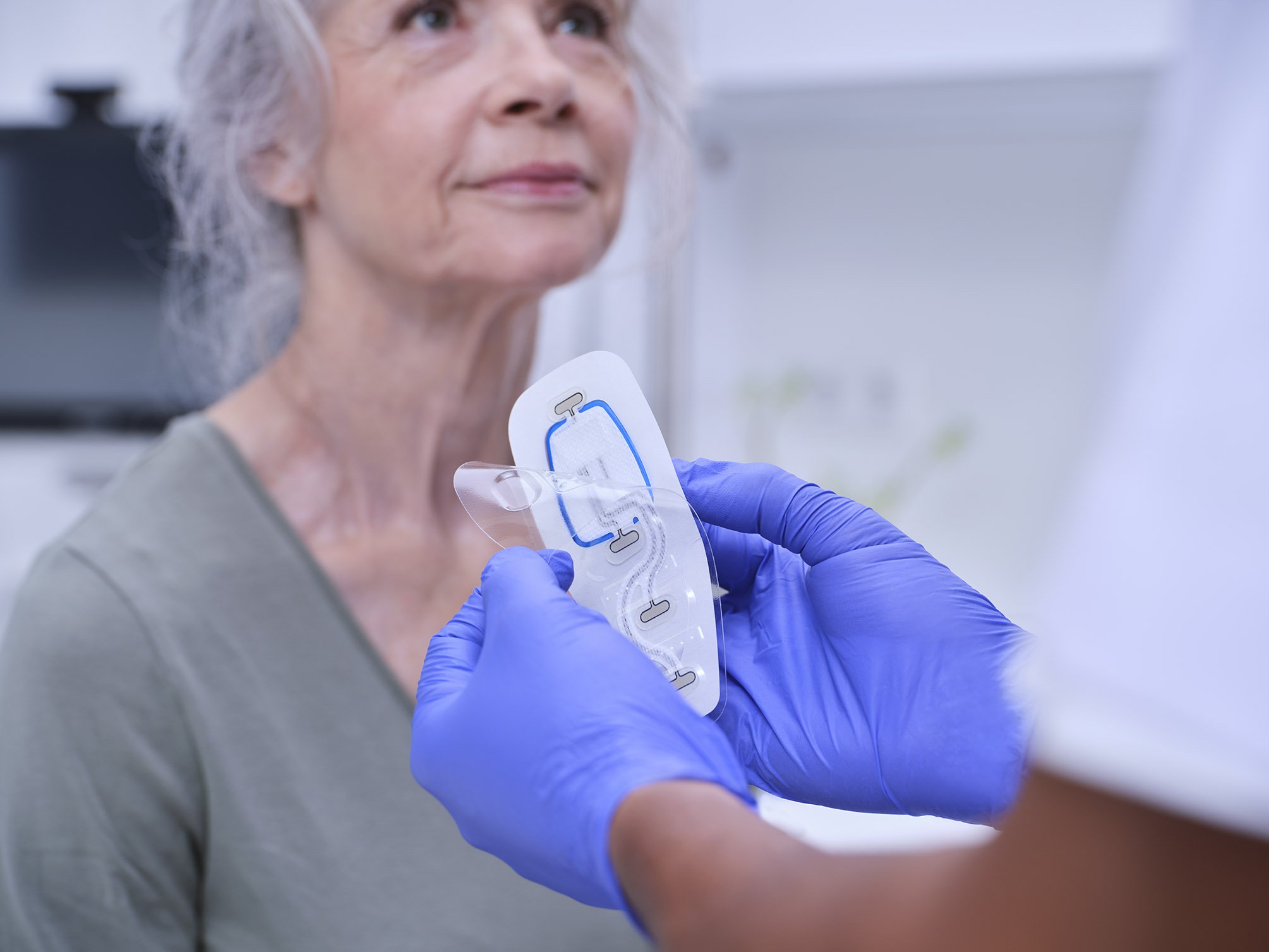
Philips introduced the ePatch, a revolutionary smart heart monitor, first in the Netherlands and then across Europe. Designed to detect heart rhythm disorders like atrial fibrillation, the ePatch brings a new level of convenience and accuracy to heart monitoring, helping both patients and doctors catch potential issues before they become serious.
Atrial fibrillation is a common but often unnoticed condition that can lead to severe health risks such as stroke, dementia, and heart failure. The ePatch offers an innovative way to track heart activity continuously, making early detection easier and more accessible. With its discreet, wireless design, it provides reliable data without disrupting daily life.
Traditionally, heart monitoring relied on Holter monitors - bulky devices with electrodes and wires connected to a box worn around the neck. While effective, they only capture short-term data, limit movement, and require extensive manual data analysis. The ePatch eliminates these challenges by offering a seamless, extended monitoring experience, improving both patient comfort and clinical efficiency.
Philips ePatch
The freedom to be yourself
The strategy
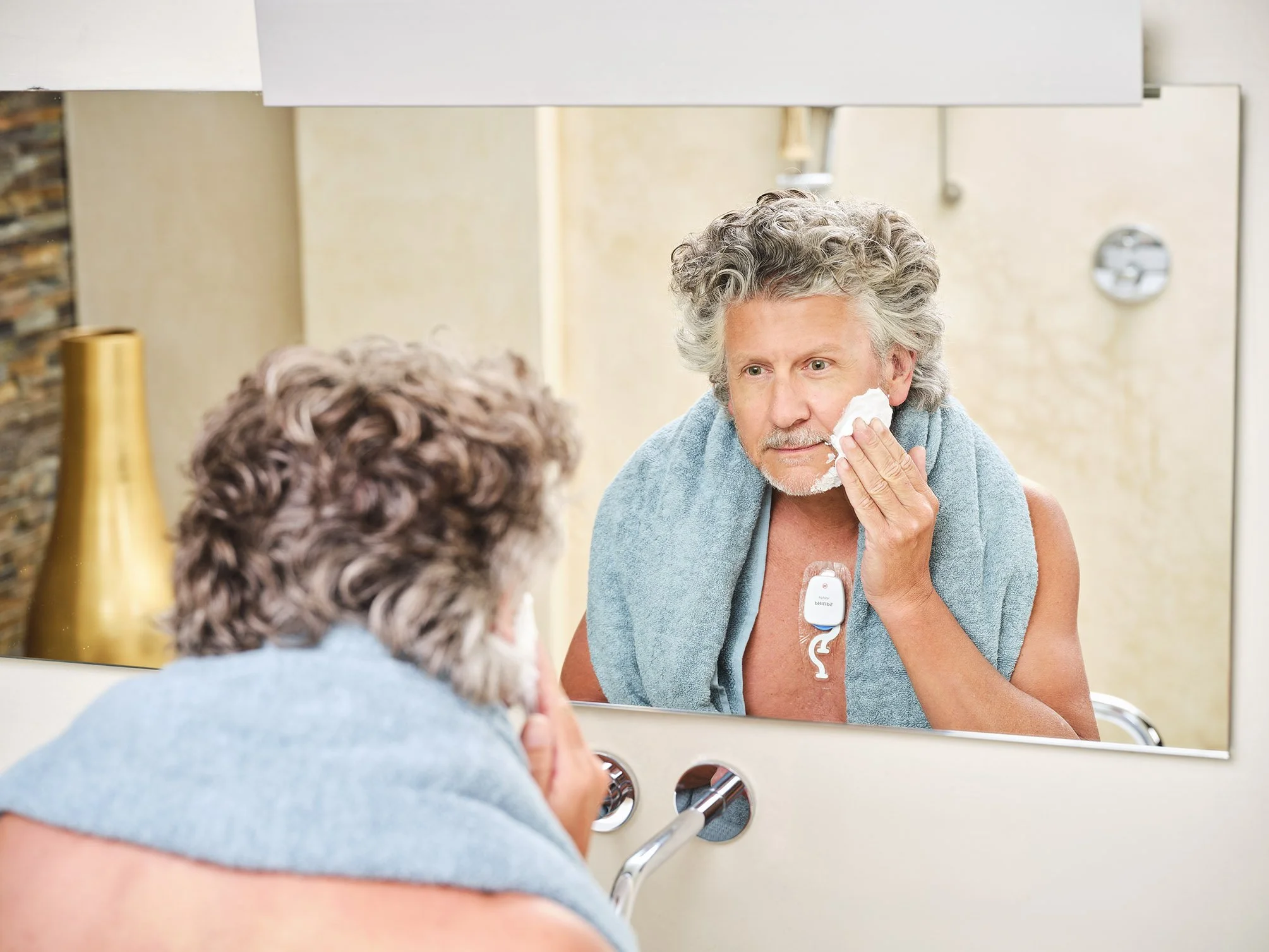
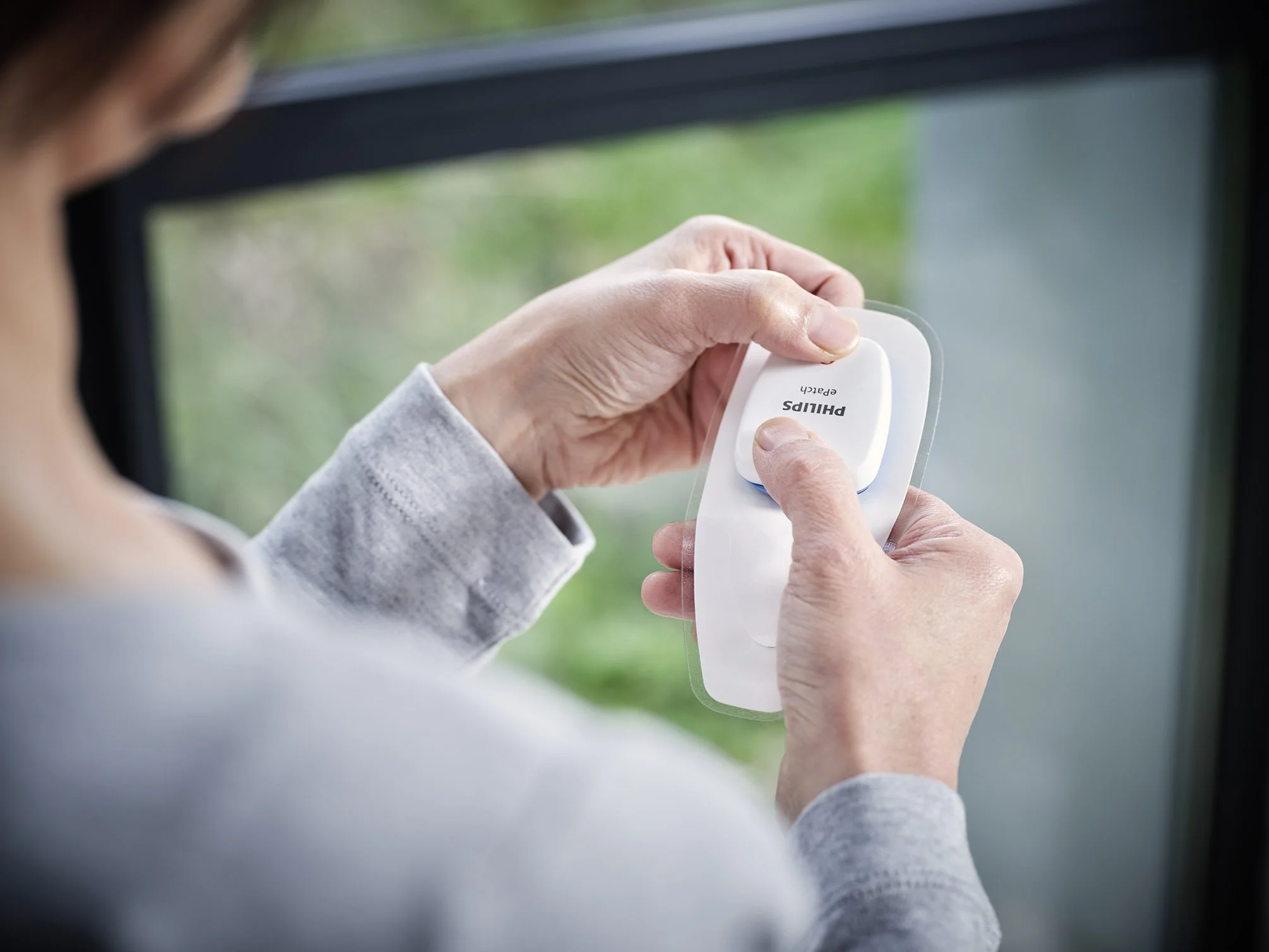
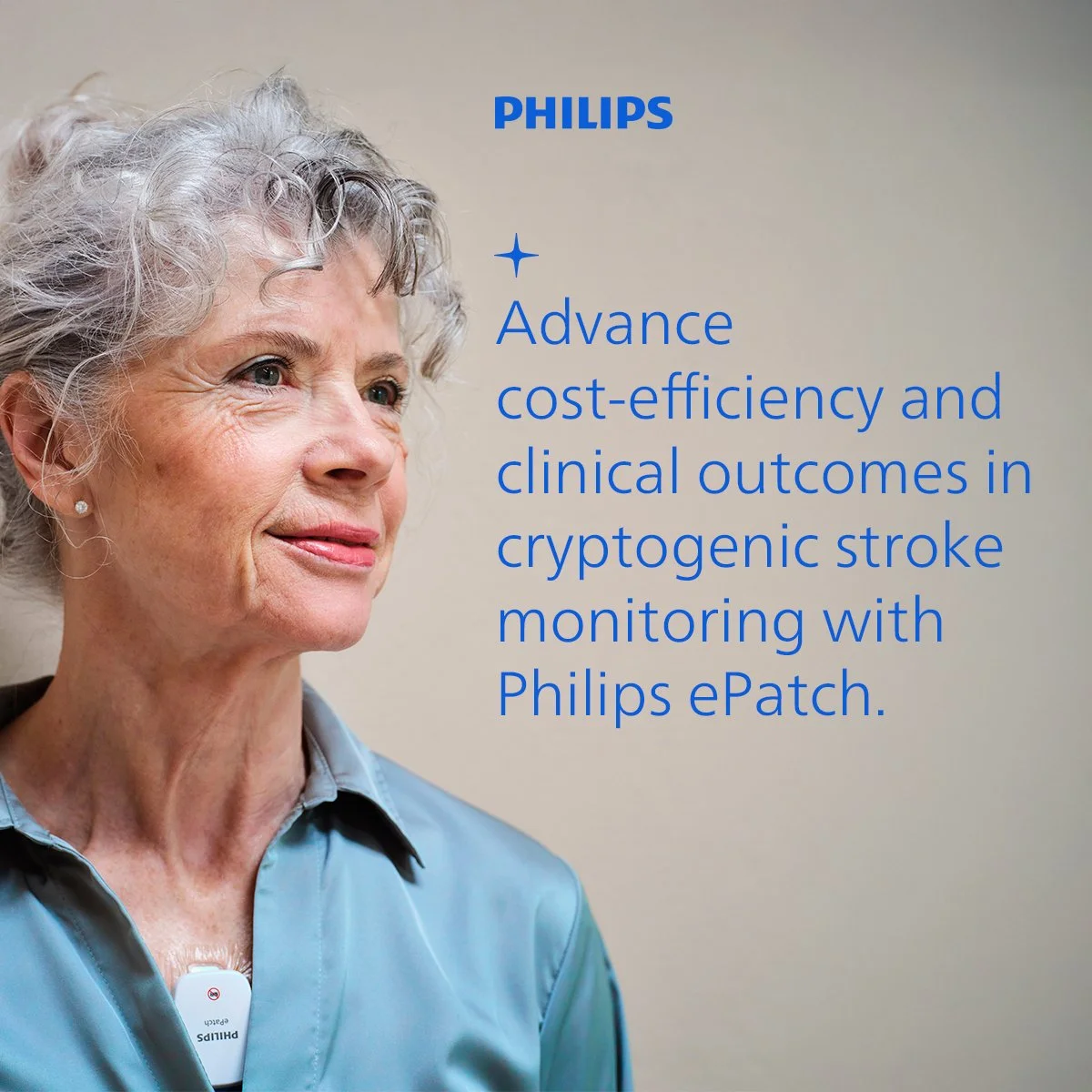
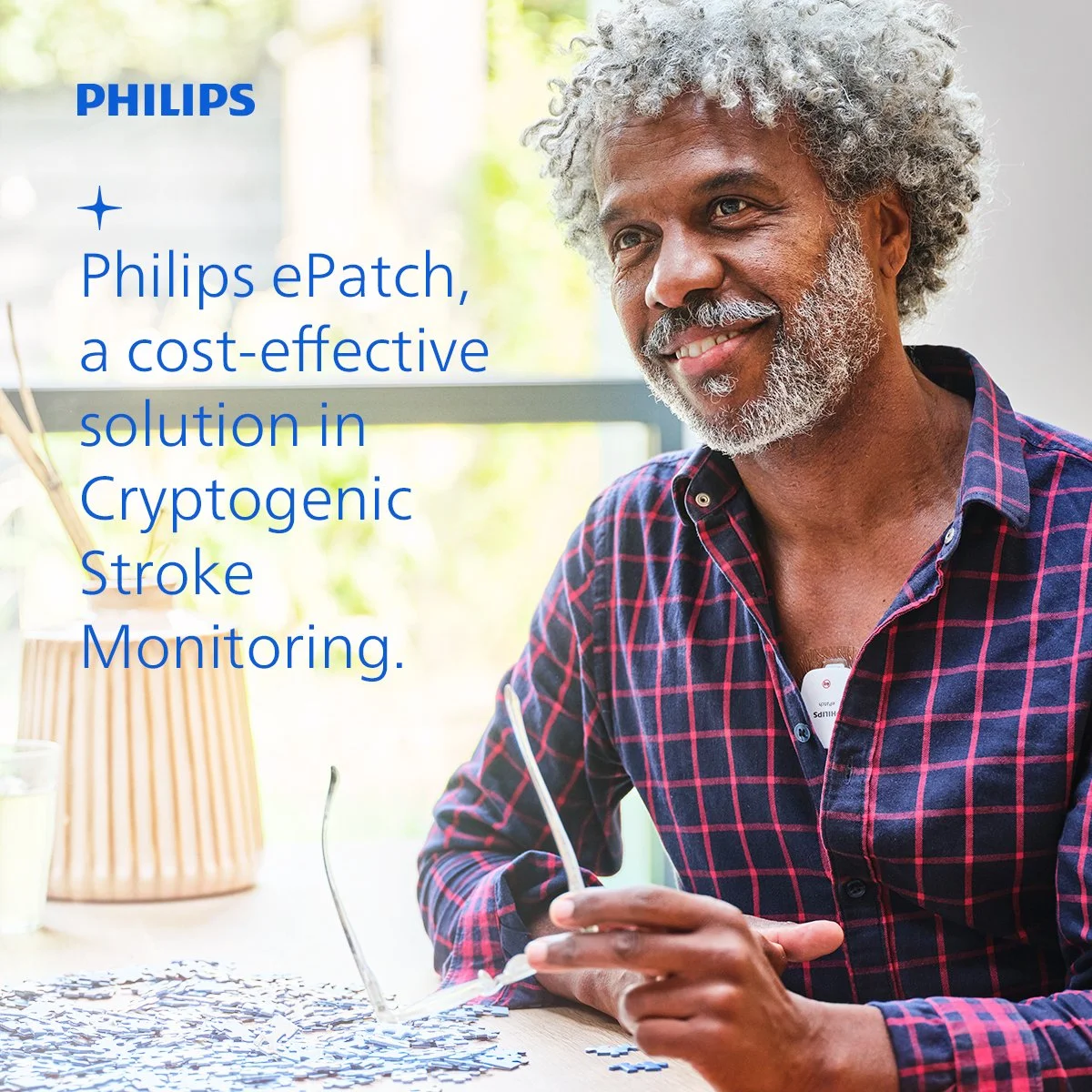
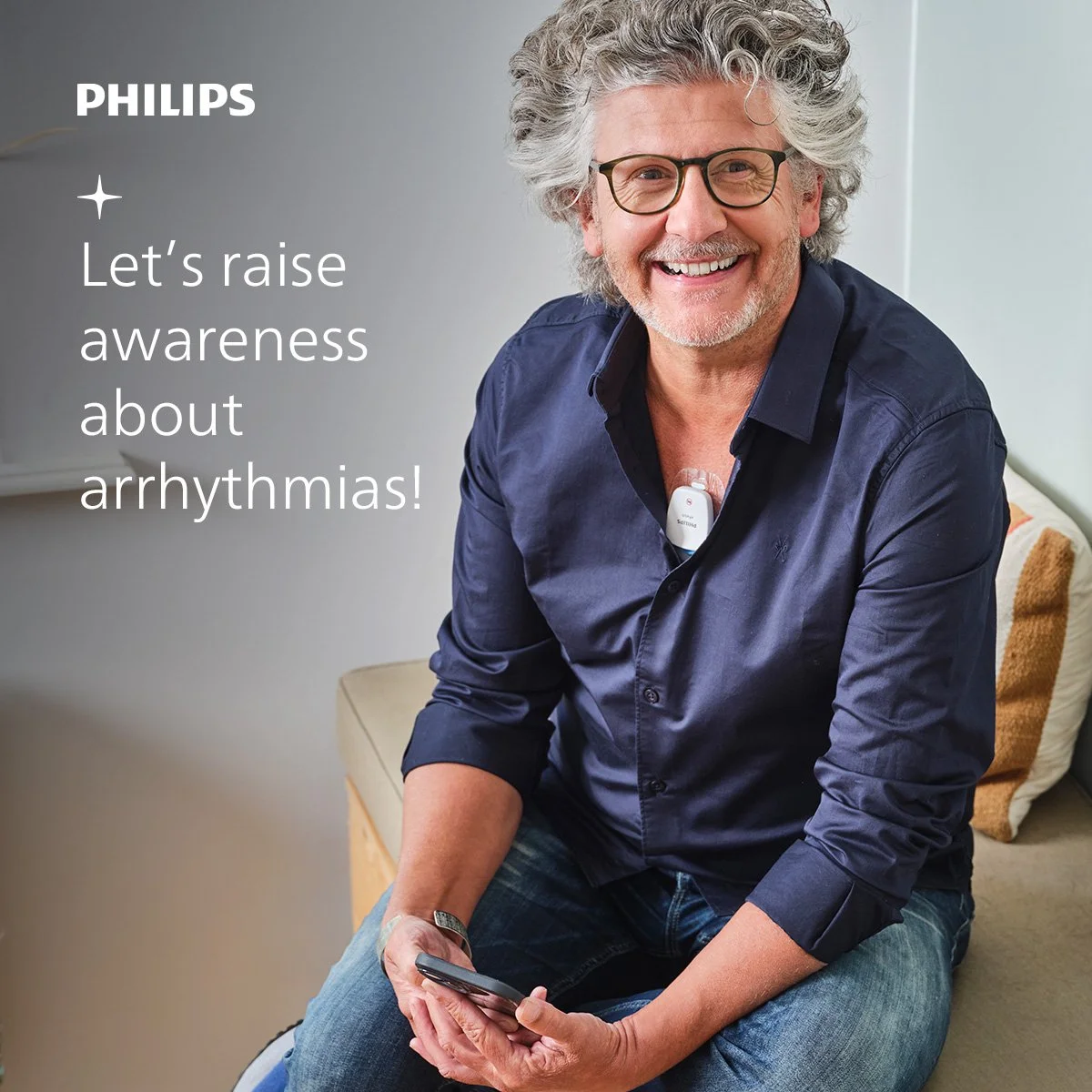
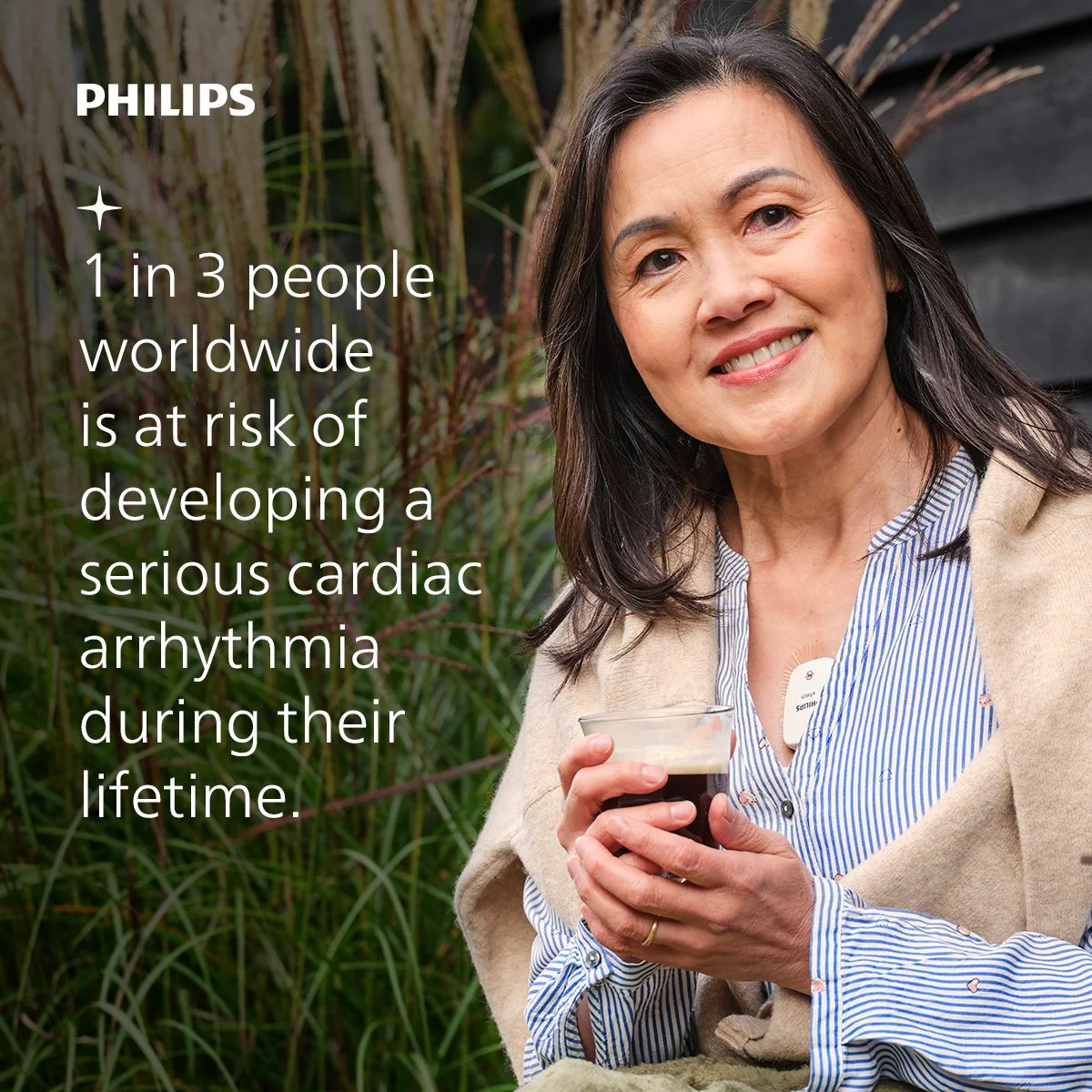
To effectively showcase the ePatch’s benefits, Creanza focused on a patient-centric visual approach, capturing real-life scenarios where individuals seamlessly incorporated the device into their daily lives. The imagery emphasized comfort, freedom of movement, and the non-invasive nature of the ePatch, reinforcing its ease of use and practicality.
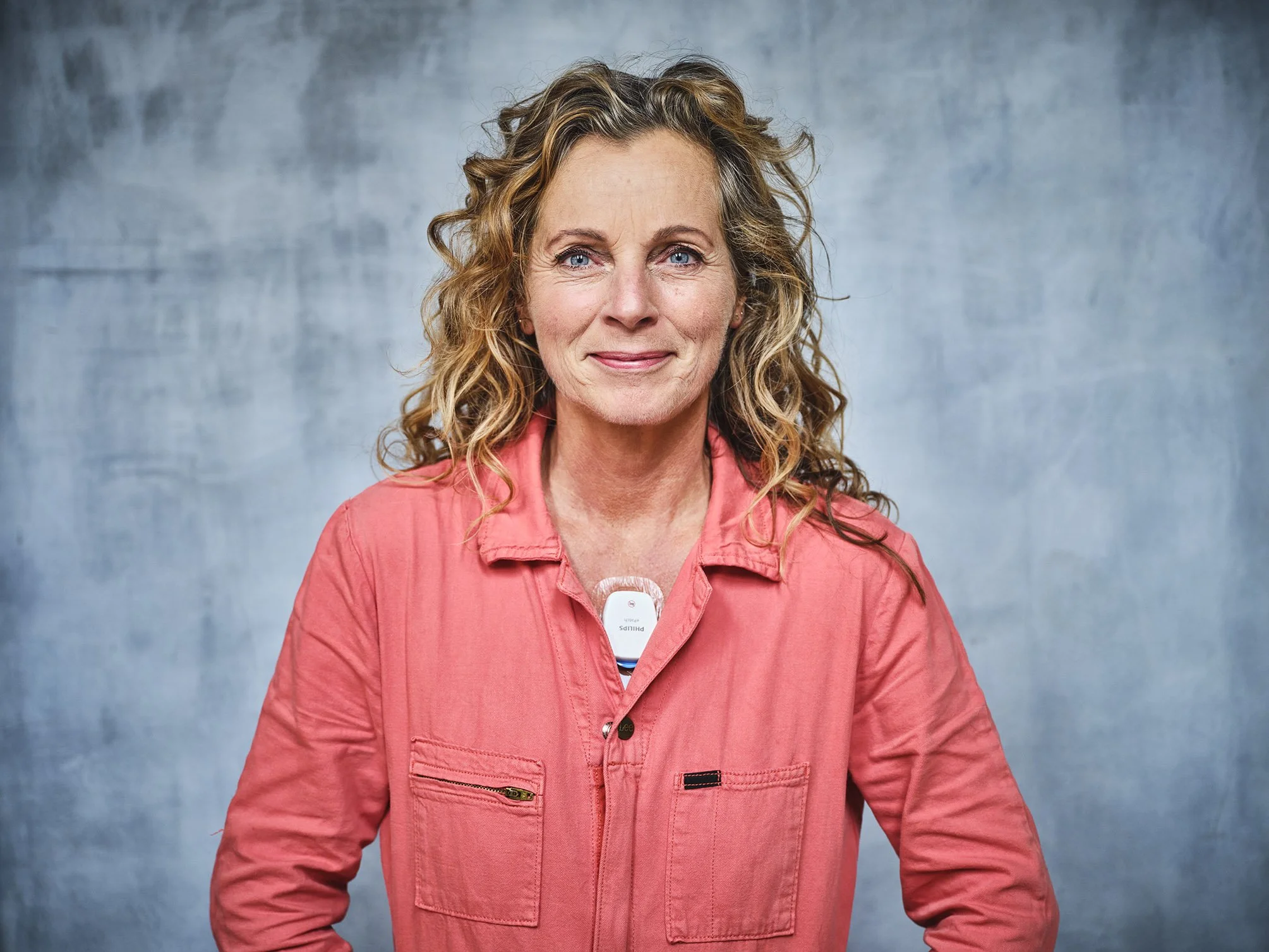
A diverse representation strategy ensured that the campaign resonated with a broad audience, highlighting the ePatch’s suitability for people of all ages and lifestyles. By prioritizing authentic, relatable moments, the visuals demonstrated how the ePatch integrates effortlessly into everyday routines, making heart monitoring more accessible and less disruptive.
Objectives
Showcase the real world benefits of using a Philips ePatch and capture the patients lifestyles through perfectly crafted photography
“Bringing Philips’ vision to life, we carefully looked in to every detail - from model selection to storyboarding, locations, and even catering. With a keen eye for brand alignment, we guided the shoot to ensure every image captured the perfect balance of authenticity, precision, and purpose.”
Philips ePatch
The freedom to be yourself
Deliverables
Key images - lifestyle




Assets - lifestyle





Key images - professional





Philips ePatch
The freedom to be yourself
Results Count
The lifestyle photography brought the ePatch to life, capturing real people effortlessly going about their day while benefiting from its smart, discreet design. Whether it was a morning jog, a quiet moment with a book, or a busy workday, every image showcased just how seamlessly the ePatch fits into everyday life.
This relatable, real-world approach made it easy for both patients and healthcare providers to see its value—not just as a medical device but as a tool for better living. By focusing on authenticity and ease of use, the visuals strengthened Philips' connection with medical professionals and importantly, potential users, building trust in the ePatch’s innovation, reliability, and patient-friendly design.
More cases
-
Philips
operational intelligence

-
keesy.nl
brand identity

-
Philips
batdok animation

-
Alzheimer
full year campaign